Budget vs. Forecast: What's the Difference and Why It Matters
Understanding the distinction between static budgets and dynamic cash flow forecasts — and when to use each for better financial reporting and decision-making.
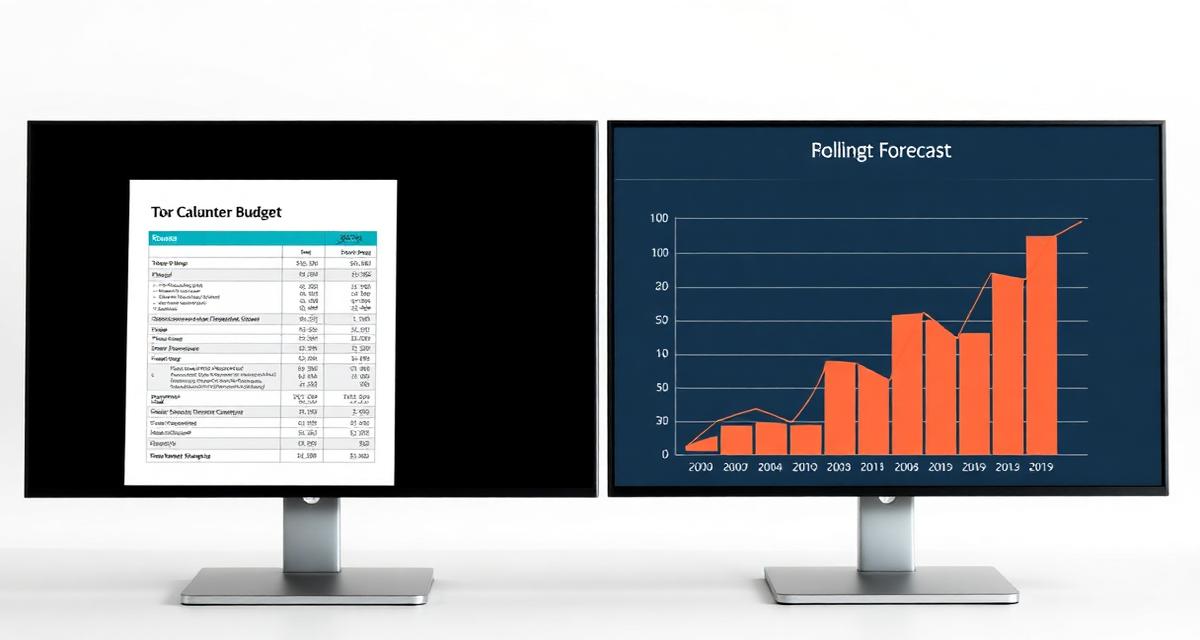
Budgets and forecasts are both forward-looking financial tools, but they serve fundamentally different purposes. Confusing them—or using only one—limits your financial visibility.
The Budget: Your Financial Plan
A budget is a static plan for the year. It sets targets, allocates resources, and establishes benchmarks. Think of it as your financial roadmap—where you intend to go. Budgets are set annually and typically don't change during the year.
Budgets are useful for: setting departmental spending limits, establishing revenue targets, creating accountability, and measuring performance against plan.
The Forecast: Your Financial GPS
A forecast is a dynamic, regularly updated projection of where you're actually heading. It incorporates real-time data, market changes, and operational shifts. Think of it as your GPS—constantly recalculating based on current conditions.
Rolling forecasts (updated monthly or quarterly, always looking 12-18 months ahead) are far more useful than static annual forecasts. They keep you looking forward, not backward.
Using Both Together
The most sophisticated businesses use both: the budget as a benchmark and accountability tool, and the forecast as a decision-making tool. Variance analysis—comparing actuals to both budget and forecast—gives you the richest picture of business performance.
Key Takeaways
- Budgets are static annual plans; forecasts are dynamic, rolling projections
- Use budgets for accountability and benchmarks
- Use rolling forecasts for real-time decision-making
- Comparing actuals to both budget and forecast gives the fullest picture
Explore Our Services
Frequently Asked Questions
Next Step
Ready to apply this to your business?
Talk with Aligned Ledger about where you are today and what the right next move looks like for your finance function.
Aligned Ledger is not a CPA firm and does not provide tax, attest, or assurance services.
Related Insights
AI Won't Replace Your Bookkeeper — It Frees Them for the Work That Pays
AI is automating data entry and categorization fast — but it isn't replacing your bookkeeper. It's clearing the busywork so they can finally do the advisory work that actually moves your business forward.
ArticleFrom Spreadsheets to Immutable Records: A CFO's Guide to Migrating Legacy Bookkeeping Systems
A practical, non-technical playbook for finance leaders moving from spreadsheets and legacy software to blockchain-backed, immutable ledgers — covering the business case, migration phases, controls, and team readiness.
ArticleThe Q2 Financial Checkup Every Business Owner Needs
Spring is the perfect time to audit your financial operations. A practical checklist covering cash reserves, tax estimates, vendor terms, and mid-year forecast adjustments before summer hits.